November in Fort Wayne: normal high 49°F, low 33°F
Dry air and humidifiers in a Fort Wayne winter
Dry air and humidifiers come down to one number. EPA says to keep indoor humidity between 30 and 50 percent. In deep cold, lower the setting if windows run wet, even if that dips below EPA's range.
A photo essay from the people at Warm in January, Cool in July. Updated .
How dry is too dry?
EPA's range is the place to start: "Keep indoor humidity between 30 and 50 percent." Its mold guide adds that you should stay below 60 percent if possible, and says a humidity meter costs about $10 to $50. Buy the meter first, then decide. A house can feel dry and still read fine. Fort Wayne's winter air has little moisture to give. NOAA's hourly normals put the January dew point at 20.3°F, against 63.4°F in July.

| What | The figure | Where it comes from |
|---|---|---|
| EPA indoor humidity range | 30 to 50 percent | EPA, Care for Your Air |
| EPA upper limit, if possible | below 60 percent | EPA mold guide |
| Humidity meter cost | about $10 to $50 | EPA mold guide |
| January normal dew point, Fort Wayne | 20.3°F | NOAA NCEI hourly normals |
| January normal high and low | 32.6°F and 18.4°F | NOAA NCEI normals |
| November normal high and low | 49.4°F and 32.8°F | NOAA NCEI normals |
Why do windows run wet when the air feels dry?
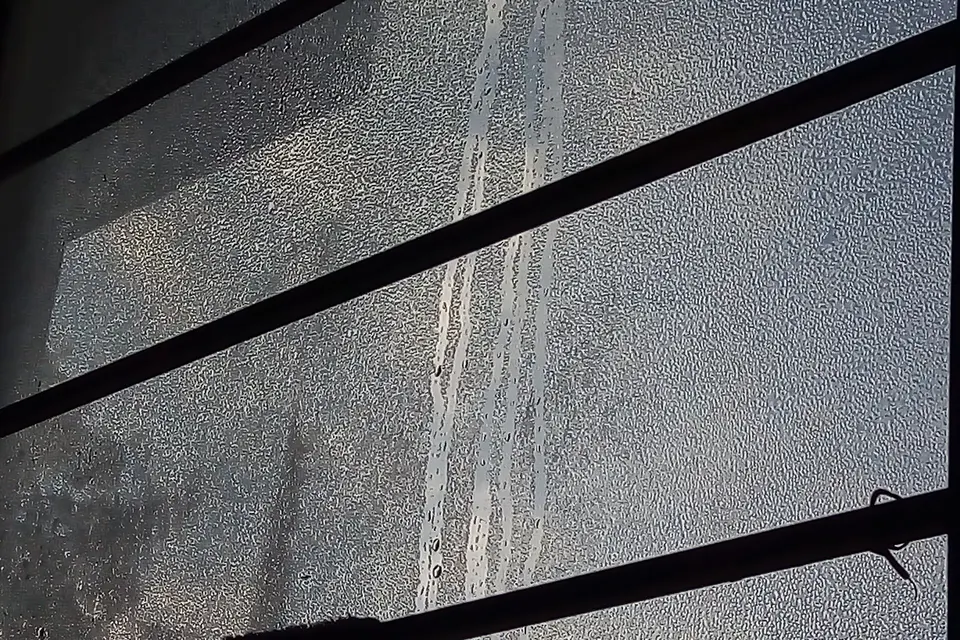
Because cold glass can gather moisture even when the room feels dry. EPA says condensation "can be a sign of high humidity" and tells you to act quickly to dry the surface. To prevent it, it lists reducing humidity, increasing ventilation or air movement, insulating cold surfaces and raising the air temperature. Humidifier makers' charts handle this by lowering the setting as it gets colder outside, to limit condensation on windows. In deep cold, that setting can drop below EPA's 30 percent. So the coldest nights can force a tradeoff: a little under EPA's range, or wet glass. When the glass runs wet, dry it and lower the setting.
Room humidifier or whole-house unit?
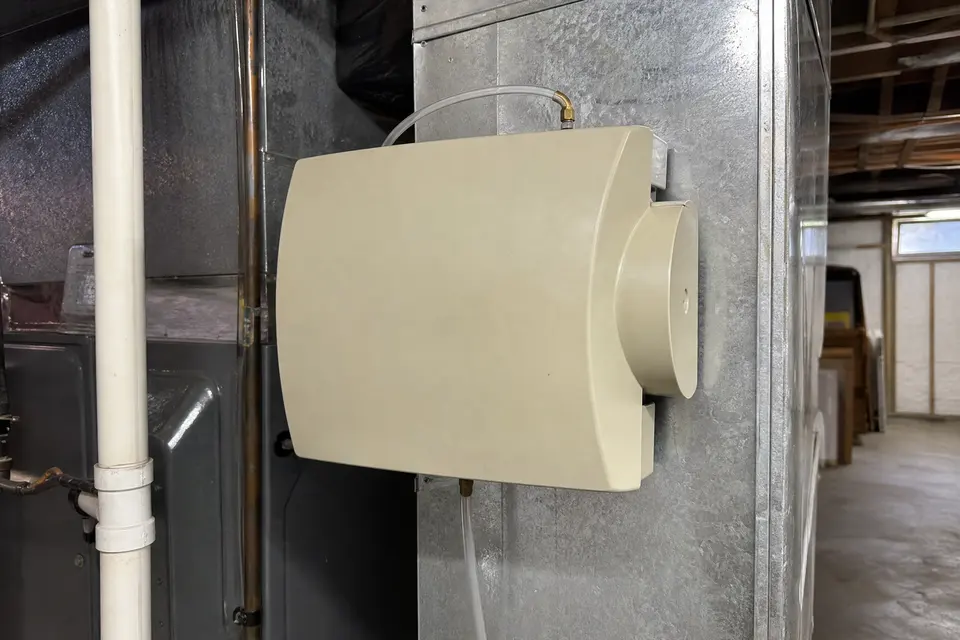
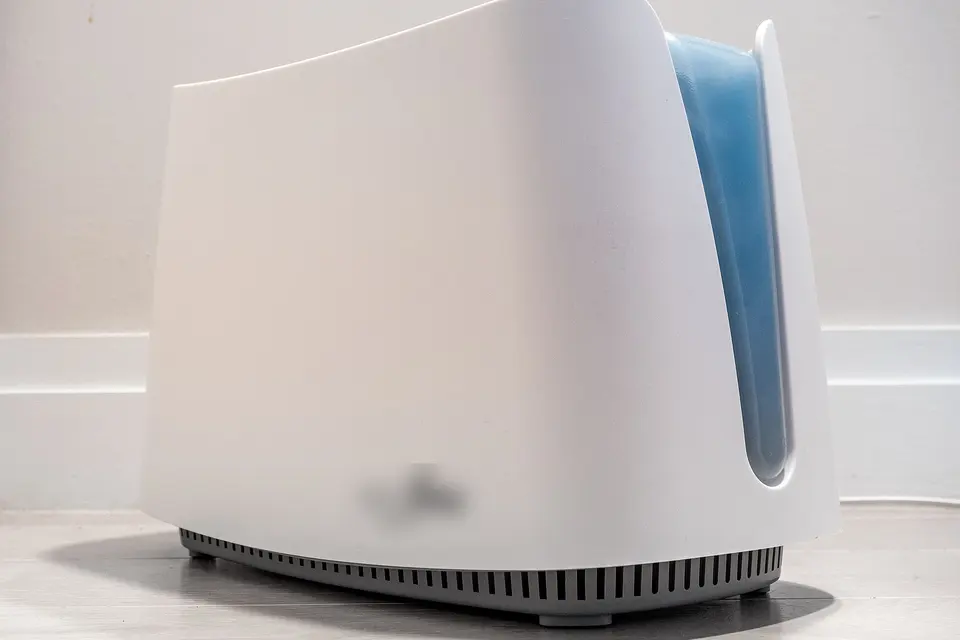
A room unit is the smaller, simpler step, and a whole-house unit is a furnace-side job. A room unit sits on the floor or a table, and you fill it. A whole-house unit mounts on the furnace ductwork with its own water line and drain, so have a pro install it, because that work means cutting ducts and connecting water and wiring. Some controls read outdoor temperature and help prevent condensation on extra-cold days, according to one maker. If you already have a whole-house unit, the video below shows a yearly water panel swap on three models. Others differ, and the maker's description starts by setting the control to off.
What can too much humidity do?
It can lead to mold, which is why the upper number counts as much as the lower one. EPA's mold guide says to dry water-damaged areas and items within 24 to 48 hours. It calls mold under about 10 square feet usually a do-it-yourself cleanup, and points to its full guide above that. It also says not to run the HVAC system if you suspect it is contaminated with mold. If you see spots on a window frame or wall, turn the humidifier down and dry the area.
What to do
Right now
- Buy a humidity meter and read it in two rooms for a week.
- Check windows on the first cold mornings, and dry any wet glass or sills.
- Set any humidifier to stay within EPA's 30 to 50 percent.
Before next winter
- Replace a whole-house unit's water panel as its manual directs.
- Lower the setting as outdoor temperatures fall, following the unit's chart.
Call a pro when
- You want a whole-house unit installed or its water line, drain or wiring serviced.
- You suspect mold in the HVAC system. EPA says not to run it.
- A patch of mold is larger than about 10 square feet. Start with EPA's guide.
What neighbors ask
What humidity should I keep my Fort Wayne house at in January?
EPA says 30 to 50 percent. On the coldest nights, makers' charts go lower to limit window condensation, which can put you under EPA's range. Your windows will tell you when you are too high.
Why does my whole-house humidifier have a chart on it?
Makers lower the recommended setting as it gets colder outside, to limit condensation on windows. Follow the one for your unit.
Do I need a whole-house humidifier if my meter reads 35 percent?
Going by EPA's range, 35 percent is already inside the target. Check the meter again on colder days before you buy equipment.
Can I run a humidifier when my windows are already wet?
Turn it down first and dry the glass. EPA lists reducing humidity and increasing air movement among the fixes for condensation.
How often does a whole-house humidifier's water panel get changed?
One maker's video shows a yearly swap on its models 400, 500 and 600. Other brands and models differ, so check the manual for yours.
Where this came from
This essay rests on EPA, NOAA normals and one humidifier maker's blog and video, checked November 3, 2026. Makers' humidity charts were seen only in search results, so this site prints no chart numbers: read the chart for your own unit. This site found no measured figure for Fort Wayne's water hardness and states none, so test your own.