August in Fort Wayne: normal high 82°F, low 61°F
Ranch houses and new builds around Fort Wayne
A ranch house and a new build can each run well or poorly. Check the attic insulation and where the ducts run, and ask for a Manual J, because a house's age alone says little.
A photo essay from the people at Warm in January, Cool in July. Updated .
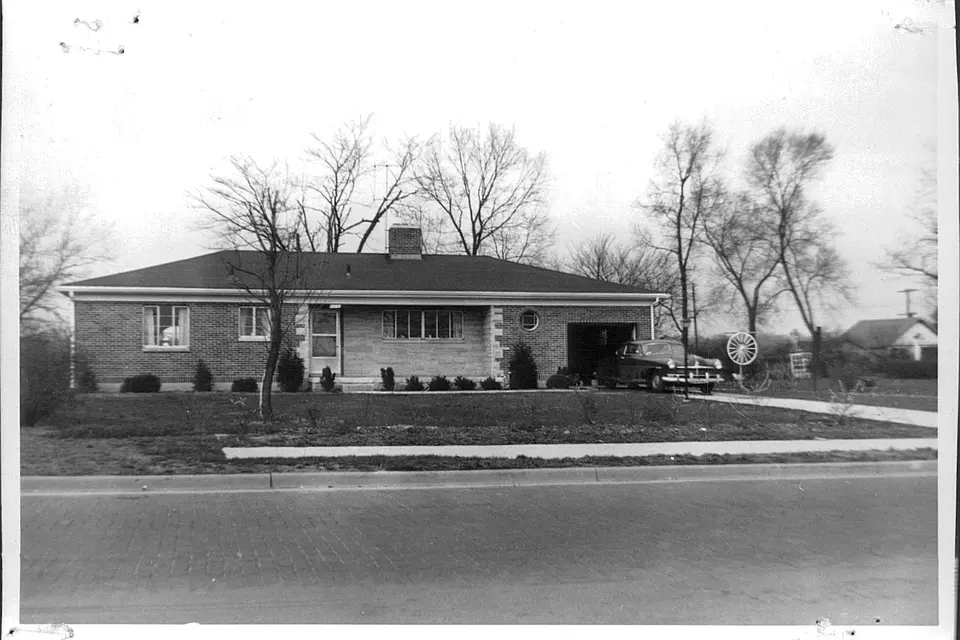
How old is the typical house around here?
The typical house is about 50 years old. The median year built is 1972 in Fort Wayne and 1976 in Allen County, so about half the homes are older than that and half are newer. The Census table counts years and says nothing about style, so this site can't tell you how many are ranch houses. The same data shows utility gas heating 71.0% of occupied homes in the city and 69.5% in the county.
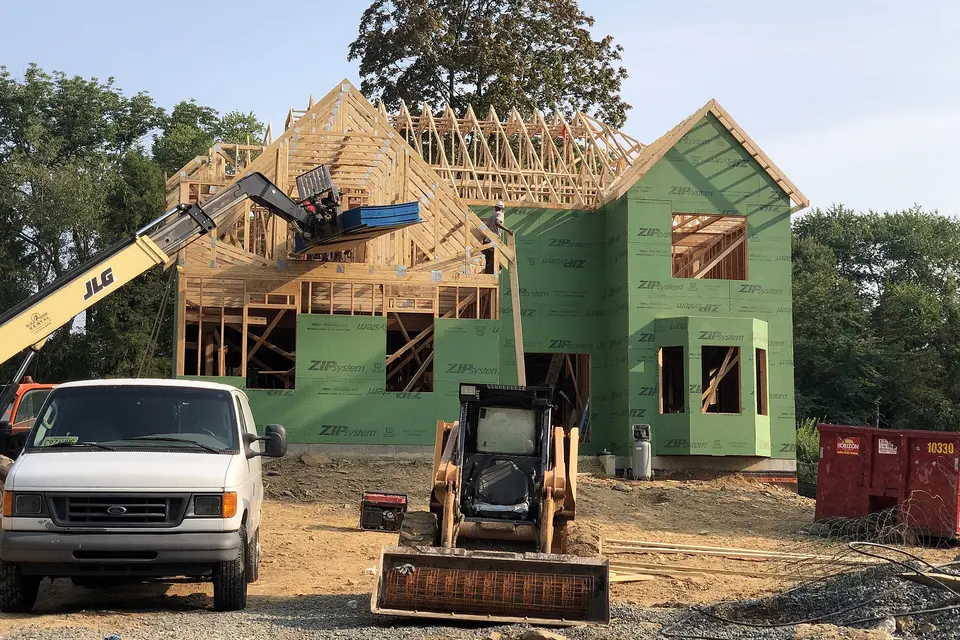
What does a ranch house tend to ask of its heating system?
Going by shape alone, a one-story ranch tends to lean harder on its attic and floor, since both can sit against nearly every room. That is an observation from the shape, with no local study behind it. This site has no data on how Allen County's ranch houses were built or what has been changed in them since. One may have new insulation and ducts. The one next door may have neither. So look rather than assume: how deep the attic insulation is, what is under the floor, and where the ducts run. ENERGY STAR says about 20 to 30 percent of the air moving through a typical duct system is lost to leaks, holes and poor connections.
How much insulation should the attic have?
ENERGY STAR's retrofit table gives R60 for an uninsulated attic in climate zone 5 and R49 if the attic already has 3 to 4 inches. It lists R30 for floors. For walls, it suggests adding R5 to R10 sheathing beneath new siding. Allen County is zone 5A, "Cold," on DOE's county list. These are targets for improving a house, so they apply to any age of home. Seal air leaks too. DOE calls them "among the greatest sources of energy loss in a home."
| What | The figure | Where it comes from |
|---|---|---|
| Median year built, Fort Wayne | 1972 | ACS 2020-2024 via Census Reporter |
| Median year built, Allen County | 1976 | ACS 2020-2024 via Census Reporter |
| Indiana residential energy code | 2018 IECC with state amendments, effective Dec 26, 2019 | DOE Energy Codes |
| DOE's rating of that code | Equivalent to the 2009 IECC | DOE Energy Codes |
| Attic target, zone 5, uninsulated | R60 | ENERGY STAR |
| Attic target, zone 5, with 3-4 inches already | R49 | ENERGY STAR |
| Floor target, zone 5 | R30 | ENERGY STAR |
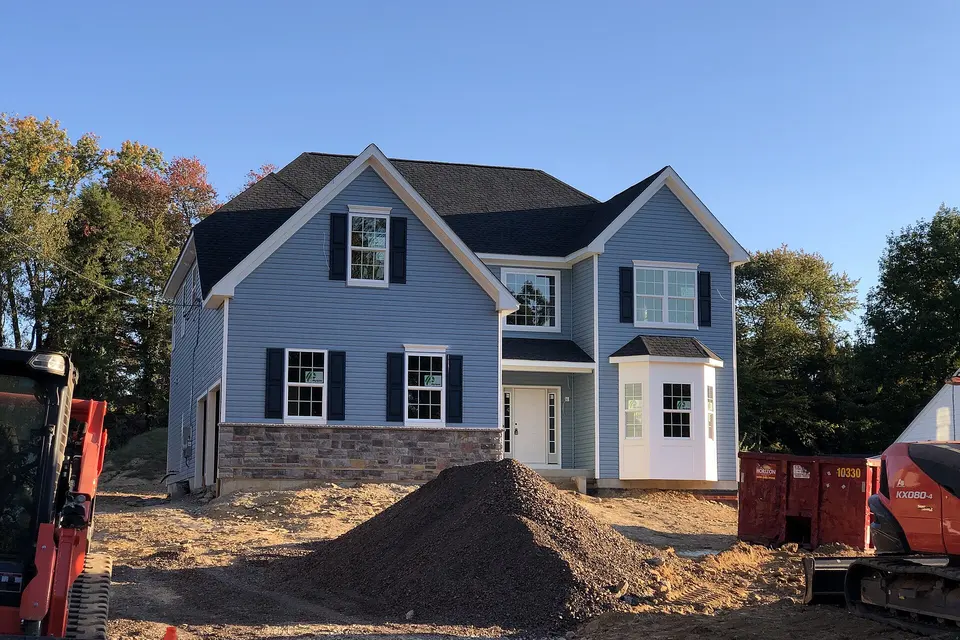
Does a new build mean an efficient house?
A new build must meet Indiana's code, and that code is a floor. DOE lists the state's residential rules as the 2018 IECC with state amendments, effective December 26, 2019 and mandatory statewide. DOE then rates them as equivalent to the 2009 IECC, and puts the amendments at -15.70% efficiency compared with the model code. A builder can go past that floor, and some may. Ask for the insulation levels in writing, along with how the equipment was sized.
Why does equipment size matter in either house?
Size matters because too big causes its own trouble. DOE's consumer guide says oversized cooling systems "can cost too much, provide inadequate comfort, and lead to mold and poor indoor air quality," and that tons-per-square-foot rules fail to account for climate and how efficient the house is. It recommends ACCA Manual J. Design temperatures here run around 0°F to low single digits in winter and upper 80s to about 91°F in summer, going by RESNET's 2020 and 2018 tables. Your contractor's Manual J sets the real figure. If you plan to add insulation too, say so, because insulation and windows belong in the sizing.
What to do
Right now
- Look at the attic insulation from the hatch and note how many inches you see.
- Find where your ducts run: basement, attic or somewhere you can't see.
- If your house is new, ask the builder for the insulation levels and sizing paperwork.
Before next winter
- Compare the attic against ENERGY STAR's R60 or R49 target.
- Seal air leaks, then ask whether the insulation plan changes the equipment size.
Call a pro when
- You are replacing equipment. Ask for a Manual J, and be wary of a size quoted from square footage alone.
- A room has no duct and you want a ductless unit installed.
- Ducts need sealing where you can't reach them.
What neighbors ask
Is a 1970s house around Fort Wayne automatically under-insulated?
Nobody can say from the date alone. Half the homes in Fort Wayne are older than 1972, and any of them may have been upgraded since. Look at the attic and compare it with ENERGY STAR's figures.
Does a house built after 2019 meet the newest model energy code?
Indiana's rules are based on the 2018 IECC with state amendments. DOE rates them as equivalent to the 2009 IECC, so a code-built house may fall short of the newest model codes. Ask the builder what was actually installed.
What climate zone is Allen County for insulation?
DOE's county list puts Allen County in zone 5A, "Cold." ENERGY STAR's retrofit table groups zones 6, 5 and 4C together, which is where the R60 and R49 attic figures come from.
Can I size a new air conditioner from my square footage?
DOE says rules of thumb like tons per square foot fail to account for climate and how efficient the house is. ENERGY STAR says your contractor should verify size with Manual J.
Is a bigger system safer for a hot Fort Wayne August?
ENERGY STAR says "A bigger system isn't always better," and DOE links oversized cooling to poor comfort, mold and poor indoor air quality. Ask to see the load calculation behind the size.
Where this came from
This essay rests on Census data as republished by Census Reporter, DOE's Energy Codes page and consumer guide, ENERGY STAR and RESNET, checked November 3, 2026. The statements about ranch houses are general observations from their shape, with no local study behind them. This site found no count of ranch houses in Allen County. RESNET's two tables disagree, so ask your contractor for the design temperatures used in your Manual J.