May in Fort Wayne: normal high 72°F, low 50°F
Getting central air ready in May
Getting central air ready takes a clean filter, a clear outdoor unit with 12 inches of room, a test run in May, and a pro for coils and refrigerant.
A photo essay from the people at Warm in January, Cool in July. Updated .
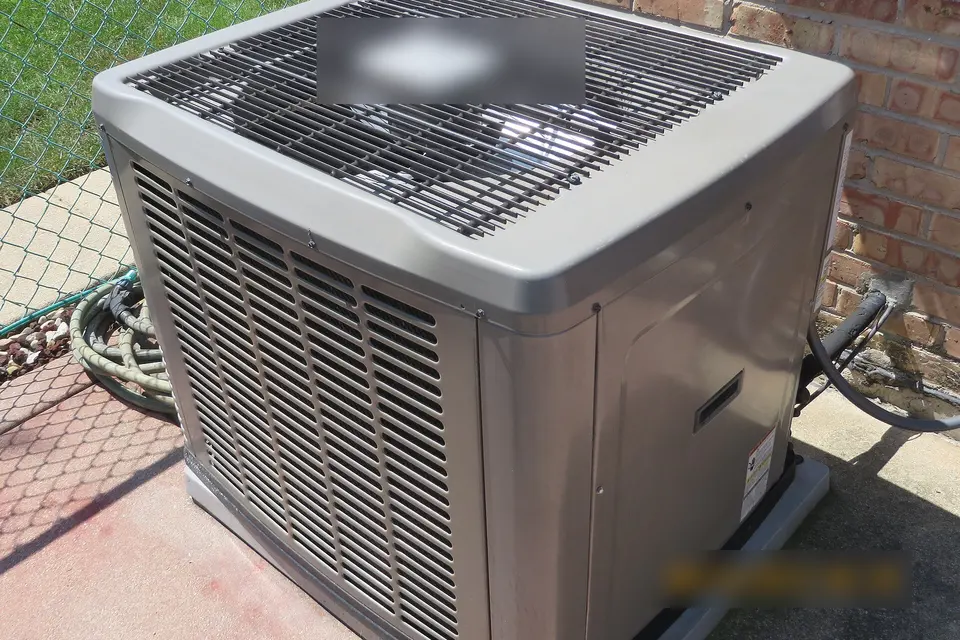
What can a homeowner do before the first hot day?
A homeowner can change the filter, clear the outdoor unit and run a test. Set the thermostat to off and switch the system off at the breaker first, and turn it back on only when the filter is in and your hands are clear of the unit. ENERGY STAR says to inspect, clean or change the filter once a month, and that a dirty one raises costs and can cause early failure. Its older guide says to change it at least every three months. Follow the filter's package. Then set the thermostat to cool on a warm May afternoon and feel for cooler air at a register. May's normal high is 72.2°F, per NOAA, so a problem found now arrives before June's 81.0°F.
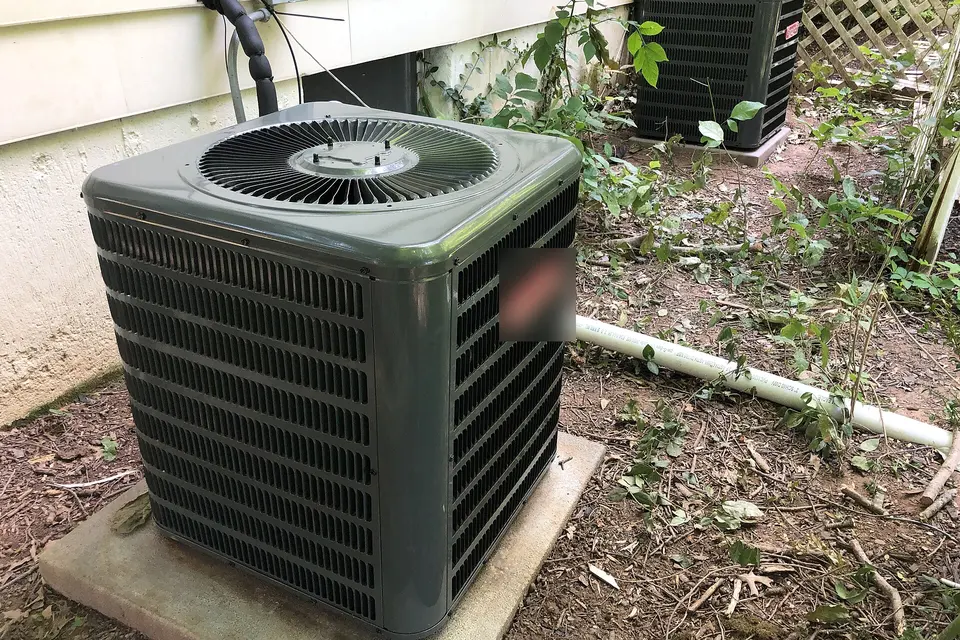
How much room does the outdoor unit need?
At least 12 inches, by the wording of one Carrier-family manual: "Maintain a 12-in. minimum clearance between the outdoor unit and tall grass, vines, shrubs, etc." It also says not to let grass clippings or leaves collect around or on top of the unit. Your own manual governs if it differs. Cut back what's grown over the winter and pick up what the mower threw. This is the easiest job on the list, and it stays outside the cabinet. Leave the panels on.
| What | The figure | Where it comes from |
|---|---|---|
| Normal high, May, June, July | 72.2°F, 81.0°F, 84.1°F | NOAA NCEI normals |
| Cooling degree days, base 65°F, normal year | 849.1 | NOAA NCEI normals |
| Clearance around the outdoor unit | 12 inches minimum | Carrier-family manual |
| What airflow problems can cost | Up to 15% of efficiency | ENERGY STAR |
| Running at 78°F instead of 72°F | Can save 6 to 18 percent of the cooling bill | DOE, older article |
| Federal minimum, split central AC in the North | 13.4 SEER2 | 10 CFR 430.32, Cornell LII copy |
Does cottonwood fluff matter to an outdoor unit?
It can, when it mats against the fins. Lennox's manual says to remove obstructions that may restrict airflow, naming grass clippings, leaves and papers pulled against the fins. The manual doesn't name cottonwood, so treat fluff as the same kind of debris. With the system off at the breaker, lift off what comes away easily by hand, and leave the fins themselves alone. Deep cleaning is another matter: ENERGY STAR puts cleaning the evaporator and condenser coils on the pro's check-up.
What does a pro do on a spring check-up?
A pro handles everything past the filter and the yard. ENERGY STAR's checklist lists annual pre-season check-ups covering the thermostat, electrical connections, lubrication, the condensate drain and controls, plus coils, refrigerant level and the blower. Refrigerant, wiring and sealed panels stay with the pro. Book it before June's normal high of 81.0°F arrives.
What to do
Right now
- Check the filter, and change it if it's dirty.
- Clear 12 inches around the outdoor unit and pick up clippings, leaves and fluff.
- Set the thermostat to cool on a warm afternoon and feel a register.
Before next summer
- Book a pre-season check-up.
- Note how old the system is and when it was last serviced.
- Put a monthly look at the filter and the outdoor unit on the calendar.
Call a pro when
- The system won't start with the thermostat set right and the breaker on.
- The air at the registers stays warm.
- Anything involves refrigerant, wiring or a panel on the unit.
What neighbors ask
How often should I look at the central air filter?
ENERGY STAR's checklist says once a month. Its older guide says change it at least every three months, and the filter's package has the last word for your type.
Should I run the AC on a cool day to test it?
Pick a warm afternoon in May. May's normal high in Fort Wayne is 72.2°F, and the unit's manual is the place to check for any limit on running it in cooler weather.
Can I add refrigerant myself?
No. ENERGY STAR lists refrigerant level among the items for a professional check-up, and this site's advice stops at the filter, the thermostat, the breaker and clearing the unit.
What thermostat setting should I start with?
DOE's older article says running at 78°F instead of 72°F can save 6 to 18 percent on the cooling bill, and that a ceiling fan lets you raise the setting about 4°F. Turn the fan off when you leave the room.
Is there a rebate on new central air?
The federal credit isn't allowed for property placed in service after December 31, 2025. This site prints no AC amount from NIPSCO, because the only flyer it could read, a distributor's copy, has confusing lines, so check NIPSCO's site. I&M's 2026-2028 plan was before regulators per the OUCC; check I&M's site too.
Where this came from
This essay rests on ENERGY STAR, NOAA normals, DOE and two makers' manuals, checked November 3, 2026. Your own unit's manual outranks both, and this site couldn't read NIPSCO's or I&M's own pages, so confirm rebates with them.