February in Fort Wayne: normal high 37°F, low 21°F
Frozen pipes in a cold snap
Frozen pipes in a cold snap are partly a heating question. The Red Cross says keep the heat at 55°F or above when away, open cabinet doors, let cold water drip, and never thaw with flames.
A photo essay from the people at Warm in January, Cool in July. Updated .
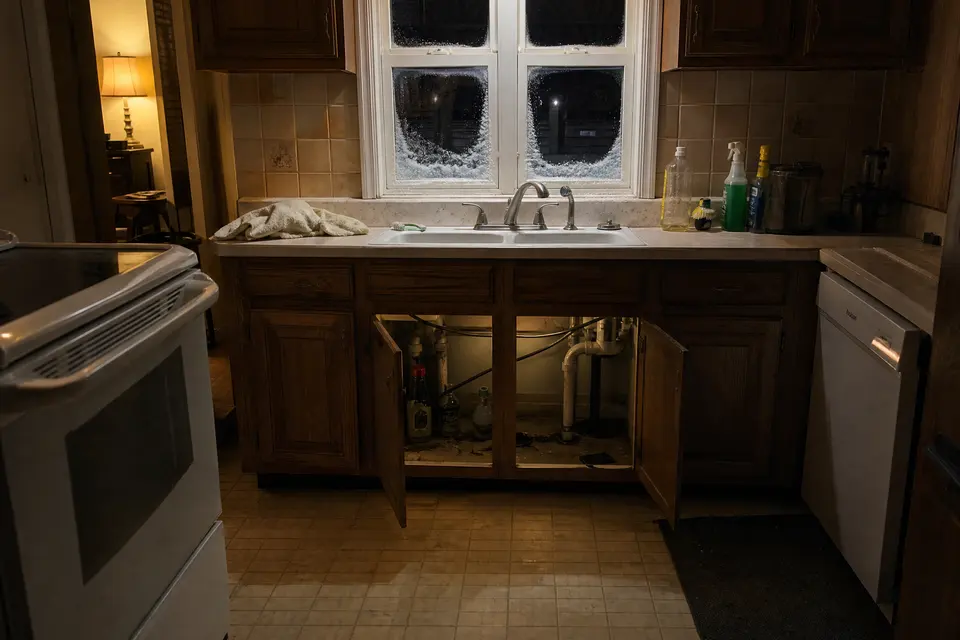
What does the thermostat have to do with frozen pipes?
The house's heat is what keeps the water lines above freezing, so the thermostat is your first tool. The one temperature in the Red Cross guidance is for when you're away: "leave the heat on in your home, set to a temperature no lower than 55 degrees." That wording comes from a 2009 newspaper reprint, because redcross.org could not be opened when this was checked. Fort Wayne's normal February low is 21.0°F, and a cold snap goes well below that.
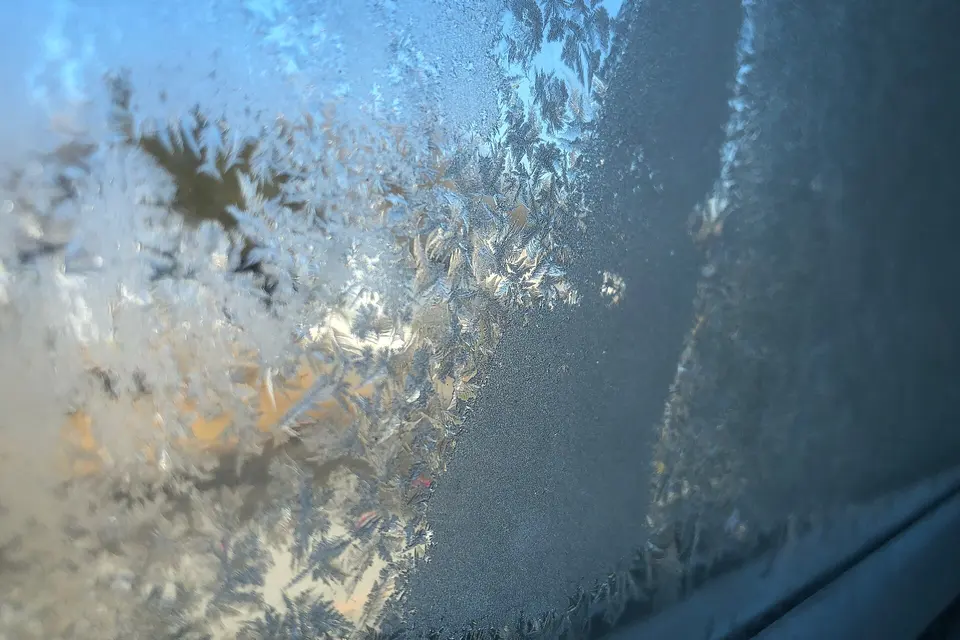
Why open the cabinet doors?
Because pipes under a sink sit behind a closed box. The Red Cross wording is direct: "Open kitchen and bathroom cabinet doors to allow warmer air to circulate around the plumbing." This costs nothing, and it works with the heat you are already paying for. Start with the kitchen and any bath that runs colder than the rest of the house. If there are children at home, move harmful cleaners out of reach before you open up.
Should you let a faucet drip?
Yes, on the faucet served by exposed pipes. The Red Cross says to "let the cold water drip from the faucet served by exposed pipes." It is a cold-water drip, and it belongs on the lines that worry you most. The wording sets no flow rate, so this site gives none. Questions about the plumbing itself are for a plumber. This site stays with the heating side.
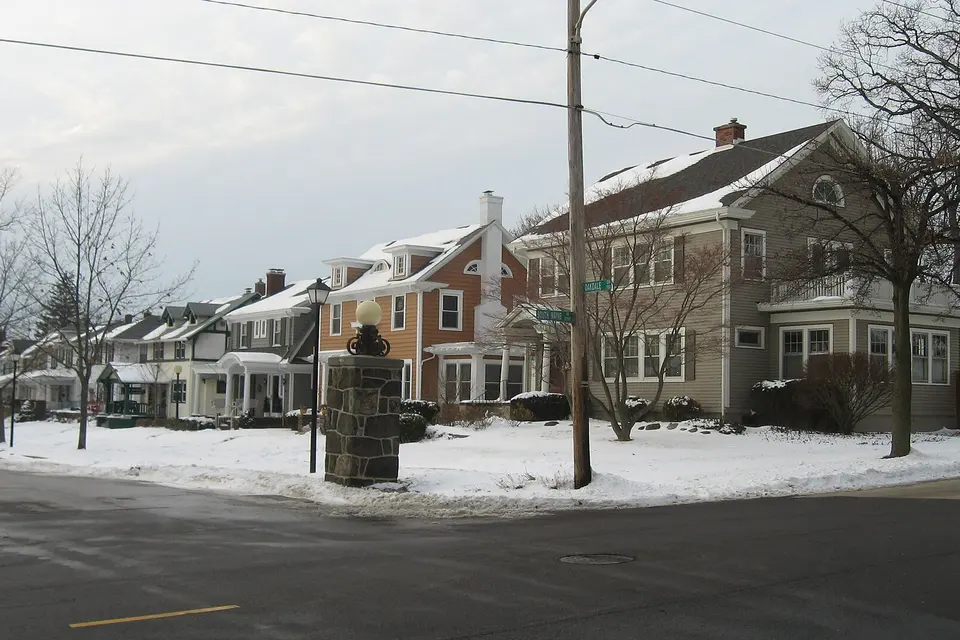
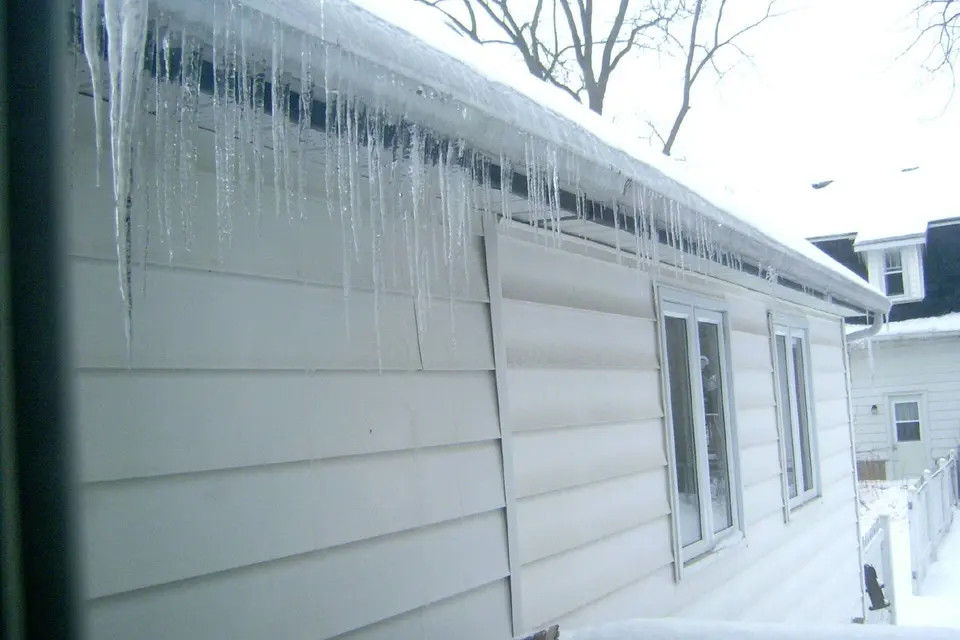
What if you're away, or the furnace stops?
If you're away, hold the heat at 55°F or above, and have someone you trust check that it is still running. If the furnace stops while you're home, work through the five checks, then call for service. Keep cabinet doors open and the faucet dripping while you wait. Never run any open-flame heater to protect the pipes. If you add a plug-in heater, follow CPSC's rules.
How do you thaw a pipe safely?
Keep the faucet open and use gentle heat. "If you turn on a faucet and only a trickle comes out, suspect a frozen pipe," the Red Cross says. Use hot wet towels, an electric heating pad or a hair dryer. Never use electrical devices if there is standing water. The Red Cross also says: "DO NOT use a blowtorch, kerosene or propane heater, charcoal stove, or other open flame device." If you cannot find the frozen spot, cannot reach it or cannot thaw it, call a licensed plumber.
| What | The figure | Where it comes from |
|---|---|---|
| Lowest thermostat setting when away | 55°F | Red Cross, via a 2009 reprint |
| Normal February high and low | 36.5°F and 21.0°F | NOAA normals, 1991-2020 |
| Normal January low | 18.4°F | NOAA normals, 1991-2020 |
| February heating degree days | 1,014.9 | NOAA normals, 1991-2020 |
| Fort Wayne record low | -24°F, January 12, 1918 (the query returns one date; ties may exist) | NOAA Regional Climate Centers |
What to do
Right now
- Leave the heat on, and no lower than 55°F if you're away
- Open kitchen and bathroom cabinet doors
- Let cold water drip from the faucet served by exposed pipes
- Move harmful cleaners out of children's reach
Before next winter
- Learn which pipes in the house are exposed
- Line up someone who can check the house when you travel
- Have the furnace serviced before the cold arrives
Call a pro when
- You can't find, reach or thaw the frozen spot: a licensed plumber
- The furnace has stopped and your checks didn't bring it back: a heating contractor
What neighbors ask
Is 55°F warm enough for a whole week away in February?
It is the lowest setting the Red Cross wording allows, and it gives no separate figure for longer trips. A furnace can still stop while you are gone, so have someone check the house during a cold snap.
Should I close off a cold bathroom to save heat in a cold snap?
The Weather Service suggests closing off unneeded rooms when the heat is out. A room with plumbing in it is a different case, so keep its door and cabinet doors open and let warm air reach those pipes.
Which faucet do I drip, hot or cold?
The Red Cross says cold water, from the faucet served by exposed pipes.
Can I use a space heater near a frozen pipe?
The Red Cross thawing list names hot wet towels, an electric heating pad and a hair dryer, not a space heater, and it rules out kerosene and propane heaters. To warm a room, follow CPSC's rules for a plug-in heater. Never use electrical devices where there is standing water.
Why doesn't this site give a temperature at which pipes freeze?
None of the sources this essay rests on gives one for a Fort Wayne house, so it prints none. Treat any forecast cold snap as the time to take these steps.
Where this came from
This essay rests on American Red Cross tips, read in a 2009 Auburn Reporter reprint, plus NOAA normals and the National Weather Service, all checked November 3, 2026. The reprint is old and redcross.org could not be opened when this was checked, so compare the wording on redcross.org.