December in Fort Wayne: normal high 38°F, low 24°F
Drafts and cold floors
Drafts and cold floors in an older house often trace to air leaks, which DOE calls among the greatest sources of energy loss in a home. Seal the gaps first, then add insulation.
A photo essay from the people at Warm in January, Cool in July. Updated .
Why do floors feel cold in an older house?
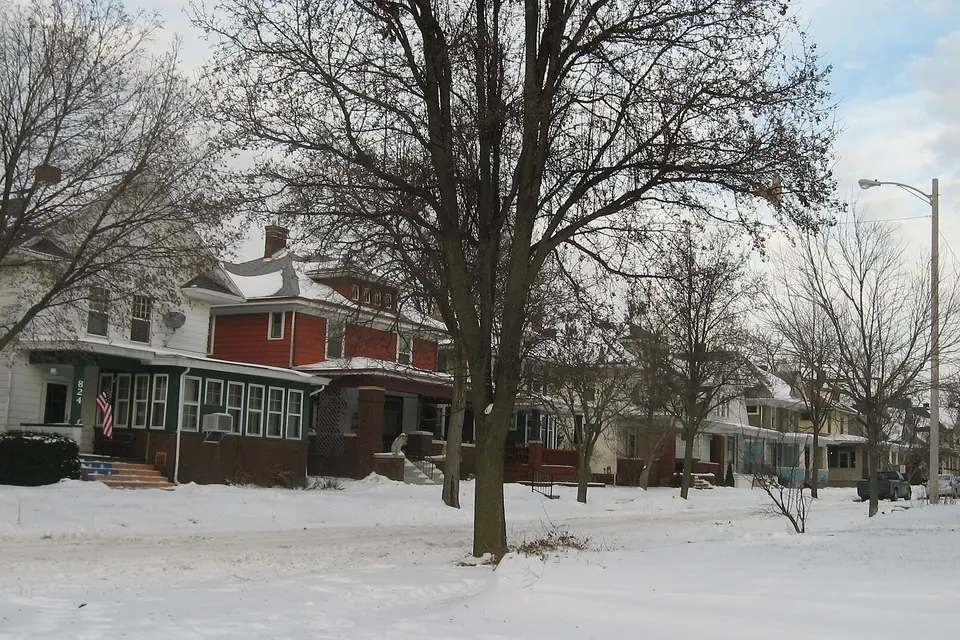
Air leaks are the first suspect. The DOE Energy Saver guide says "Air leaks are among the greatest sources of energy loss in a home," and tells homeowners to caulk, seal and weatherstrip seams, cracks and openings. Fort Wayne's median home was built in 1972, and Allen County's in 1976, so half of them are older than that. December asks a lot of these houses: the normal low is 24.2°F. Start in the basement, then move up to doors, windows and the attic.
Where do basement air leaks hide?
Look at three places a Wisconsin electric co-op points to in its air-sealing advice: the joint where masonry meets wood, the gaps running up to the floor above, and the holes where pipes pass through. The leak spots are the same kinds you'd look for here. Seal them with caulk. Stay well away from the electrical panel and from any wiring, and keep sealant off furnace and water-heater vents; call a pro for anything close to them.
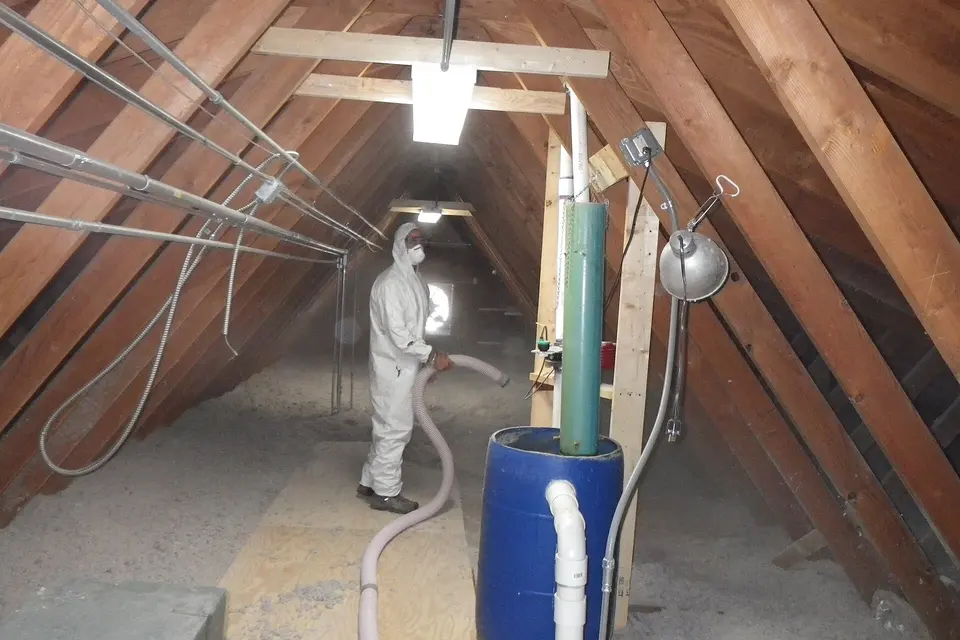
How much attic insulation does a Fort Wayne house need?
ENERGY STAR's figures for this climate zone are R60 if the attic has no insulation and R49 if it already has 3 to 4 inches. Its table gives R30 for floors. For walls, it suggests R5 to R10 of sheathing beneath new siding, which makes sense only when the siding is coming off anyway. Seal the air leaks before the insulation goes in, since insulation laid over them makes them hard to reach.
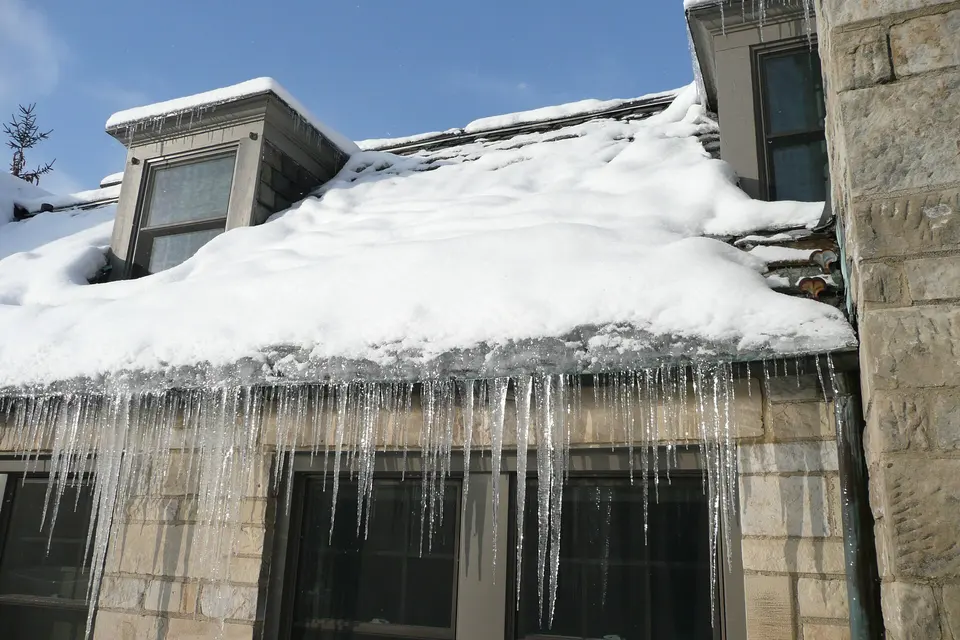
What does an ice dam say about the attic?
It says heat is getting out through the roof. Melted snow runs down and refreezes at the colder edge. In Fort Wayne, which normally gets 7.6 inches of snow in December and 10.8 in January, a house with uneven melt on the roof is showing you where to look. Take that as a reason to look at the attic from inside. Stay off an icy roof, and leave ice dam removal to a roofer.
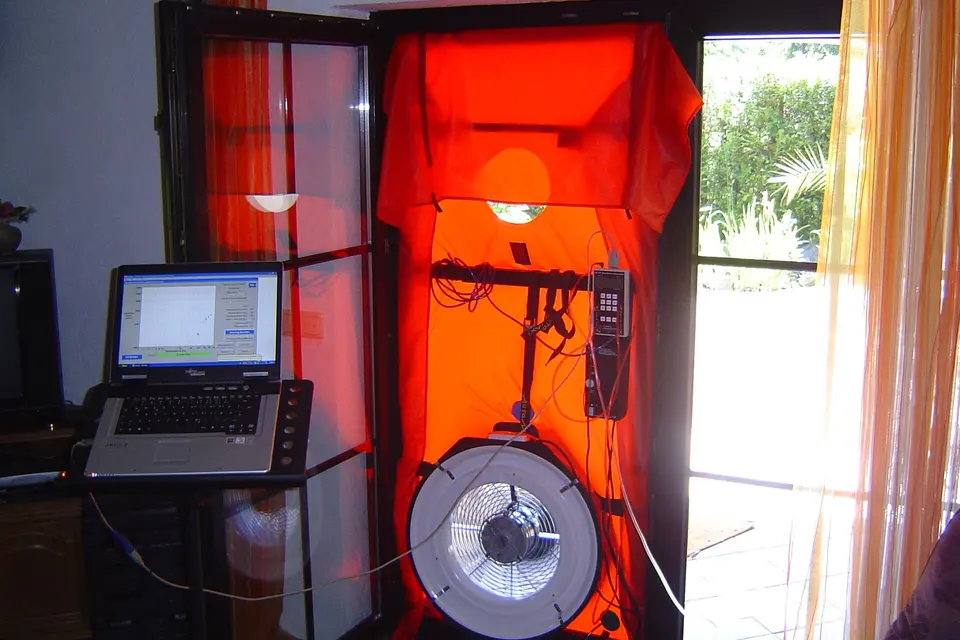
What does a leak test show?
It shows how leaky the house is and, with a contractor walking through, where. A blower door is a fan fitted in a doorway with a gauge that measures pressure difference. Ask an energy auditor or weatherization contractor whether the test is part of their work. Ask too how air sealing would affect your gas furnace and water heater venting before the job starts.
Can a rebate help pay for it?
It might, if you qualify. Indiana Energy Saver lists up to $1,600 for insulation, air sealing and ventilation under HEAR, for households under 150% of Area Median Income. Its HOMES rebate is open to all incomes. Program contractors "do not go door-to-door or solicit business," so apply at IndianaEnergySaver.com. Allen County's Energy Assistance provider, Brightpoint, also has a weatherization line. See the rebates essay for the income limits.
| What | The figure | Where it comes from |
|---|---|---|
| Normal December low, Fort Wayne | 24.2°F | NOAA normals, 1991-2020 |
| Median year built | Fort Wayne 1972, Allen County 1976 | ACS 2020-2024 via Census Reporter |
| Attic, no insulation now | R60 | ENERGY STAR |
| Attic with 3 to 4 inches now | R49 | ENERGY STAR |
| Floor | R30 | ENERGY STAR |
| Possible bill cut from new equipment, insulation, air sealing and thermostat settings together | about 30% | DOE Energy Saver Guide, 2022 |
| HEAR cap on insulation, air sealing and ventilation | $1,600 | Indiana Energy Saver |
What to do
Right now
- Keep rugs and furniture off registers
- Weatherstrip doors that leak and caulk the gaps you can reach
- Look for gaps at the top of the basement wall and around pipes
Before next winter
- Seal basement leaks, keeping sealant off vents and wiring
- Look at your attic insulation from the hatch, without digging in it, and compare it with the ENERGY STAR figures
- Check Indiana Energy Saver before hiring anyone
Call a pro when
- You find old wiring, or material that might contain asbestos, in the way
- Ice dams form year after year
- You plan a big air-sealing job in a house with gas appliances
What neighbors ask
Should I seal the basement or insulate the attic first?
DOE lists air leaks among the greatest energy losses, so seal first in both places. Sealing the attic floor before insulation goes on is easier because you can still see the gaps.
Is foam safe around the furnace?
Keep it off furnace and water-heater vents. If a gap sits close to one, leave it for a contractor.
Will sealing drafts help a room over a garage or a crawl space?
It may. ENERGY STAR gives R30 for floors, so ask a contractor to look at what is actually under that floor and whether it needs sealing, insulation or both.
Do I need a blower door test before I start?
Not to caulk a visible gap. A test helps when you want to know how leaky the house is or are planning larger work. Indiana's HOMES rebate is based on energy savings, so ask whether the program's contractor measures them.
How much will all this save me?
DOE's figure of about 30% covers new equipment, insulation, air sealing and thermostat settings together, on heating and cooling bills. No source this site read puts a number on sealing alone in a Fort Wayne house.
Where this came from
This essay rests on DOE, ENERGY STAR, Indiana Energy Saver, IHCDA, NOAA normals and census figures, all checked November 3, 2026. DOE's web pages on air sealing could not be reached, so this site used its 2022 guide. Confirm rebate terms with Indiana Energy Saver.