August in Fort Wayne: normal high 82°F, low 61°F
Ducts in basements and attics in August
Duct leaks in basement and attic runs lose about 20 to 30 percent of the air moved, per ENERGY STAR. Seal joints with mastic or metal tape, never duct tape.
A photo essay from the people at Warm in January, Cool in July. Updated .
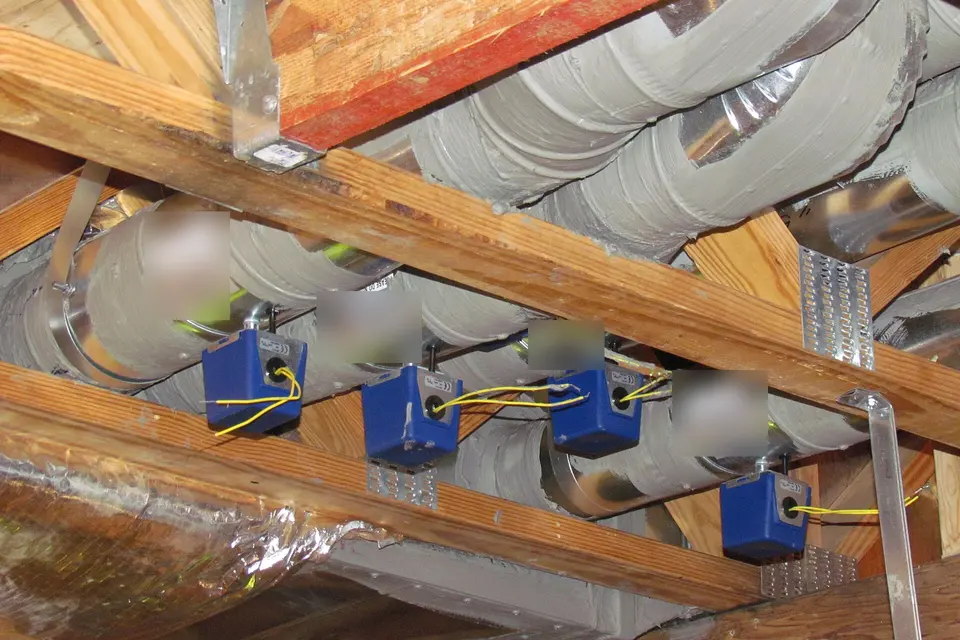
How much air do leaky ducts really lose?
About 20 to 30 percent, by ENERGY STAR's figure: "about 20 to 30 percent of the air that moves through the duct system is lost due to leaks, holes, and poorly connected ducts." That's a general figure, and your house may differ. Only a measurement can tell you about yours. ENERGY STAR's hiring tips say a contractor should inspect the ducts for leaks and measure airflow. Plenty of ducts here have been in service for decades: the median year built is 1972 in Fort Wayne and 1976 in Allen County.
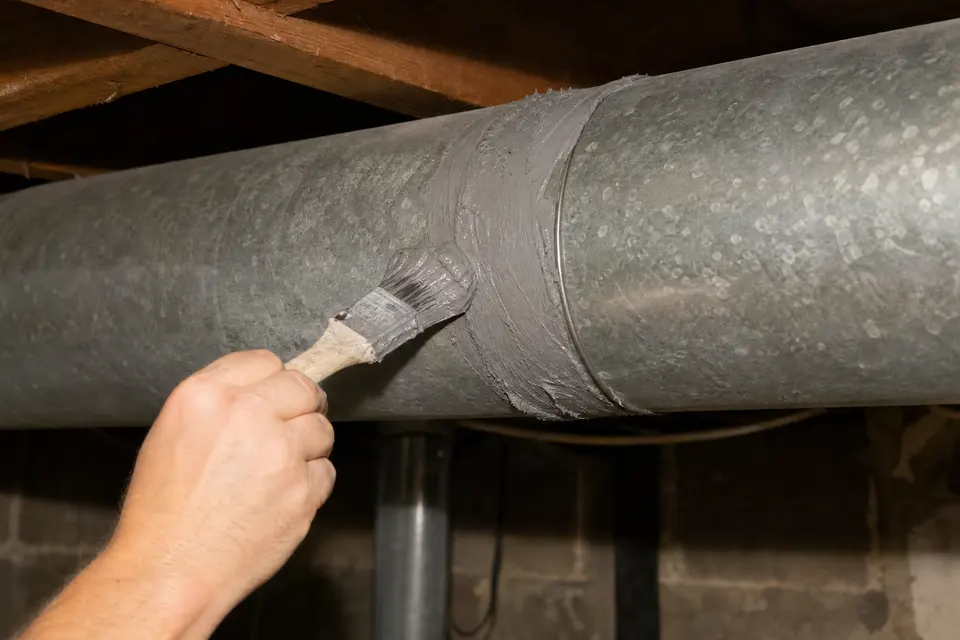
What should you seal a duct with?
Mastic or metal tape, and never duct tape. Both come straight from ENERGY STAR, which also says to insulate accessible ducts. In a basement, start where you can see and reach: joints along the main run and where branches leave it. The video here also shows caulk around register boots. Stay away from anything tied to the furnace's venting, leave wiring alone, and skip the sealed cabinet. If you don't want to do it, hire it out and ask what was measured before and after.
| What | The figure | Where it comes from |
|---|---|---|
| Duct air lost to leaks, holes and poor connections | About 20 to 30 percent | ENERGY STAR |
| What airflow problems can cost | Up to 15% of efficiency | ENERGY STAR |
| Attic insulation, zones 6, 5 and 4C, if uninsulated | R60 | ENERGY STAR |
| Attic insulation with 3 to 4 inches already there | R49 | ENERGY STAR |
| Allen County climate zone | 5A, "Cold" | DOE Building America |
| Normal August high, normal January low | 82.0°F, 18.4°F | NOAA NCEI normals |
Does it matter whether ducts run in the attic or the basement?
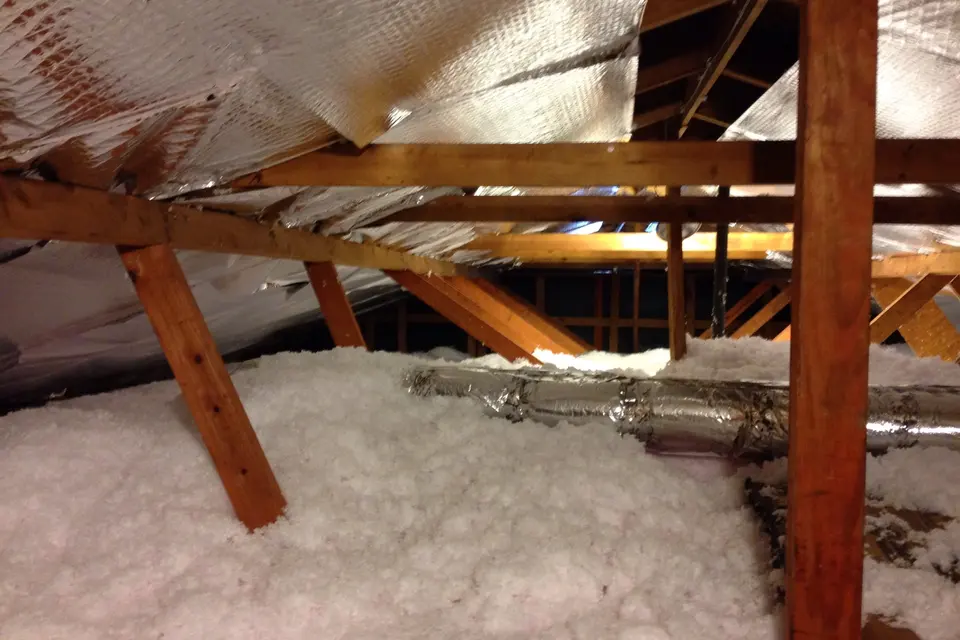
Yes, because of where the leaked air ends up. Air leaking from an attic run lands in the attic, and that attic sees outdoor swings: an August high of 82.0°F and a January low of 18.4°F are the normals outside it. Air leaking from a basement run stays below your floors. No source this site read puts a number on that difference, so it prints none. Treat attic runs as first in line for insulation and a careful look, and don't assume basement runs are fine.
What if an old duct is wrapped in something?
Leave it alone until you know what it is. EPA lists hot water and steam pipes, oil and coal furnaces and door gaskets as places asbestos may be found, and its advice carries over to any old wrap you can't identify: "If in doubt, treat the material as if it contains asbestos and leave it alone." Don't brush, cut or tape it. Repair or removal belongs to trained and accredited professionals, so call before sealing around it.
What to do
Right now
- Look along basement runs for gaps, loose joints and old duct tape.
- Seal reachable joints with mastic or metal tape.
- Clear rugs and furniture from vents and registers.
Before next winter
- Check attic ducts for insulation and for runs that have come apart.
- Ask a contractor to inspect the ducts and measure airflow.
- Keep the filter on its monthly check.
Call a pro when
- A duct is wrapped in old material you can't identify.
- Runs are out of reach, crushed or disconnected.
- You suspect mold in the ducts. EPA says not to run the HVAC if you suspect it's contaminated.
What neighbors ask
Can I use duct tape on ducts?
ENERGY STAR's answer is "Never use duct tape." It says to seal with mastic or metal tape.
Are basement duct leaks a problem if the basement is inside the house?
They can be. ENERGY STAR's 20 to 30 percent counts air lost to leaks anywhere in the system, and air that leaks in the basement doesn't reach the room it was headed for.
Can I seal ducts myself?
The joints you can reach, yes, with mastic or metal tape. Leave wiring, furnace venting and any wrap you can't identify alone. ENERGY STAR expects a contractor to inspect for leaks and measure airflow, so hire that part out if you want a number.
Does the attic need more insulation if the ducts run through it?
ENERGY STAR's retrofit figures for this zone are R60 if the attic is uninsulated and R49 if 3 to 4 inches are already there. Insulating accessible ducts is a separate step on its list.
Do closed registers save money?
Nothing official supports a figure either way. Ask a contractor to measure airflow before you start closing things.
Where this came from
This essay rests on ENERGY STAR, EPA, DOE and NOAA normals, checked November 3, 2026. The video comes from a Tennessee program using a demonstration rig, so its bill figures don't apply here, and no source measured attic against basement losses for Fort Wayne.