April in Fort Wayne: normal high 61°F, low 39°F
Furnace or heat pump in a Fort Wayne winter
For a furnace or heat pump choice in Fort Wayne, start with the climate: 5,967.7 heating degree days and design temperatures colder than the 5°F ENERGY STAR tests.
A photo essay from the people at Warm in January, Cool in July. Updated .
How cold does a heat pump have to work here?
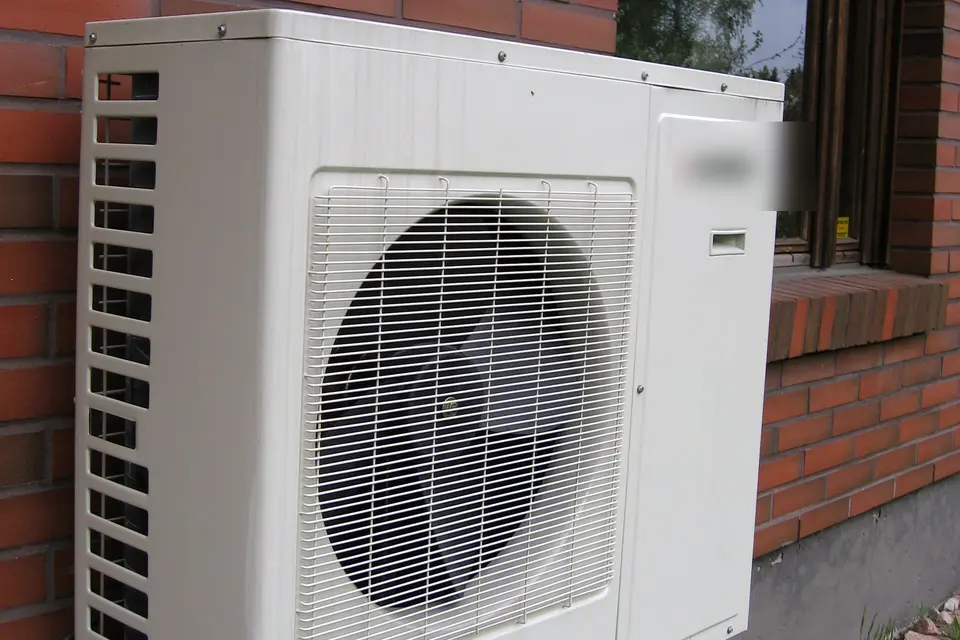
Colder than a normal January night, and sometimes colder than its test point. NOAA's normals put Fort Wayne's January low at 18.4°F. Design temperatures run around 0°F to low single digits in winter, by one and another RESNET table, and your contractor's Manual J sets the real figure. ENERGY STAR tests down to 5°F. It says units keep working below that, and pairing with a backup heat source is most efficient when it's colder.

What do Indiana's gas and electric prices say?
They say what each fuel cost per unit, and no more. EIA puts Indiana's average residential gas price at $12.49 per thousand cubic feet in March 2026. EIA puts electricity at 17.02 cents per kWh in August 2026. Those are statewide averages from different months, and neither is your own rate, so they don't make a running-cost comparison. Ask any contractor to show the math from your own bills.
| What | The figure | Where it comes from |
|---|---|---|
| Heating degree days, base 65°F, normal year | 5,967.7 | NOAA NCEI normals |
| Cooling degree days, base 65°F, normal year | 849.1 (this site's arithmetic: 5,967.7 ÷ 849.1 = about 7 to 1) | NOAA NCEI normals |
| Indiana residential natural gas, March 2026 | $12.49 per thousand cubic feet | EIA |
| Indiana residential electricity, August 2026 | 17.02 cents per kWh | EIA |
| Federal minimum, split-system heat pump | 14.3 SEER2 and 7.5 HSPF2 | 10 CFR 430.32, Cornell LII copy |
| NEEP cold-climate spec v3.1, COP at 5°F at maximum capacity | Above 1.75 | NEEP |
| Homes heated with utility gas, Fort Wayne | 71.0% (electricity 26.5%) | Census Reporter, ACS 2020-2024 |
Why use March for the gas price?
Because it's a heating month. EIA's June through August gas figures top $24 per thousand cubic feet, but those are high, low-volume summer numbers, and they tell you little about a winter. Gas also isn't the fuel for every house here. Census counts by fuel, so its 26.5% electricity figure for Fort Wayne doesn't say how many of those homes have heat pumps.
What is dual fuel, and when does it fit?
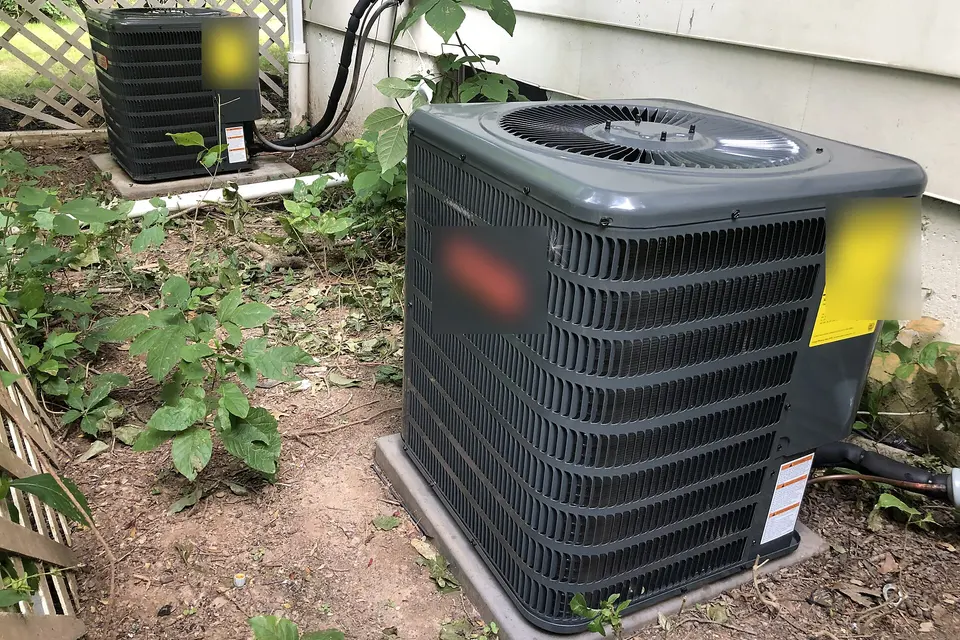
Dual fuel means a heat pump and a furnace in one system, each used when it suits. ENERGY STAR says adding a certified heat pump to a relatively new furnace "creates a dual-fuel system for a modest extra cost over an AC system," so you can use each "optimally based on costs and environmental benefits." That makes it a fair question when central air fails and the furnace still has years in it.
Which heat pumps are built for this cold?
Start with NEEP's product list at ashp.neep.org. Its v3.1 specification asks for a variable-capacity compressor and a COP above 1.75 at 5°F at maximum capacity. COP is units of heat per unit of electricity. The list now runs on version 4.0, whose thresholds this site did not read, so check the current entry for any model you're quoted.
What to do
Right now
- Find your March gas bill and an August electric bill, with their actual rates.
- Note your furnace's age and how your central air is doing.
Before next winter
- Ask each contractor for a Manual J and for the cost math using your bills.
- Look up any quoted heat pump on NEEP's list.
- Ask how the system decides when to switch to the furnace.
Call a pro when
- You want a heat pump sized, wired or connected. Refrigerant lines and wiring are licensed work.
- Your heat stops in cold weather, whichever system you have.
What neighbors ask
Will a heat pump work at 0°F in Fort Wayne?
ENERGY STAR says units keep working below 5°F, and that pairing with a backup heat source is most efficient when it's colder. How much heat a given model delivers at 0°F depends on the model, so ask for its data.
Which costs less to run here, gas or a heat pump?
That can't be answered from statewide figures. The EIA prices are statewide averages, and the answer depends on your rates, your equipment and your house. Ask for the math on your own bills.
Can I keep my furnace and add a heat pump?
ENERGY STAR describes that setup with a relatively new furnace and calls it dual fuel. Ask a contractor whether your furnace and ducts suit it.
Can I set back a heat pump the way I do a furnace?
Ask first. DOE's "as much as 10% a year" for turning back 7 to 10°F for 8 hours a day comes with a caveat about programmable thermostats and heat pumps.
Is there a federal tax credit for a heat pump now?
No. The IRS says the credit is not allowed for property placed in service after December 31, 2025. Indiana Energy Saver is a separate state program; apply through its site. Its contractors "do not go door-to-door."
Where this came from
This essay rests on NOAA normals, EIA prices, ENERGY STAR, NEEP and Census Reporter's copy of ACS tables, checked November 3, 2026. EIA figures are statewide, so read your own rates from your NIPSCO and electric bills, and confirm NEEP's current thresholds on its list.