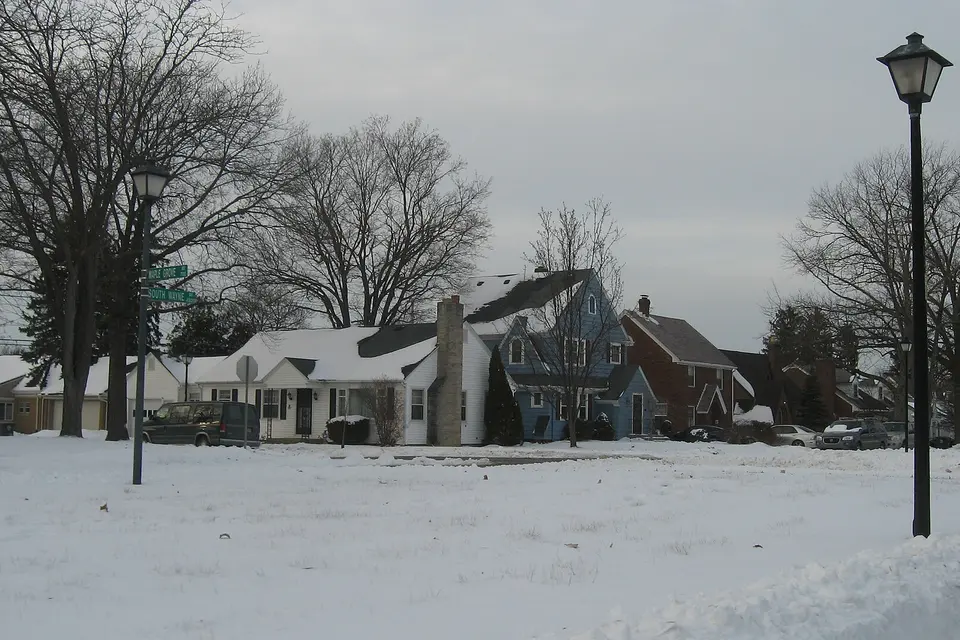
January in Fort Wayne: normal high 33°F, low 18°F
When the furnace quits
When the furnace quits in a cold snap, make five checks: thermostat, furnace switch, breaker, filter and outside vents. If the heat stays off, stop there and call a heating contractor.
A photo essay from the people at Warm in January, Cool in July. Updated .
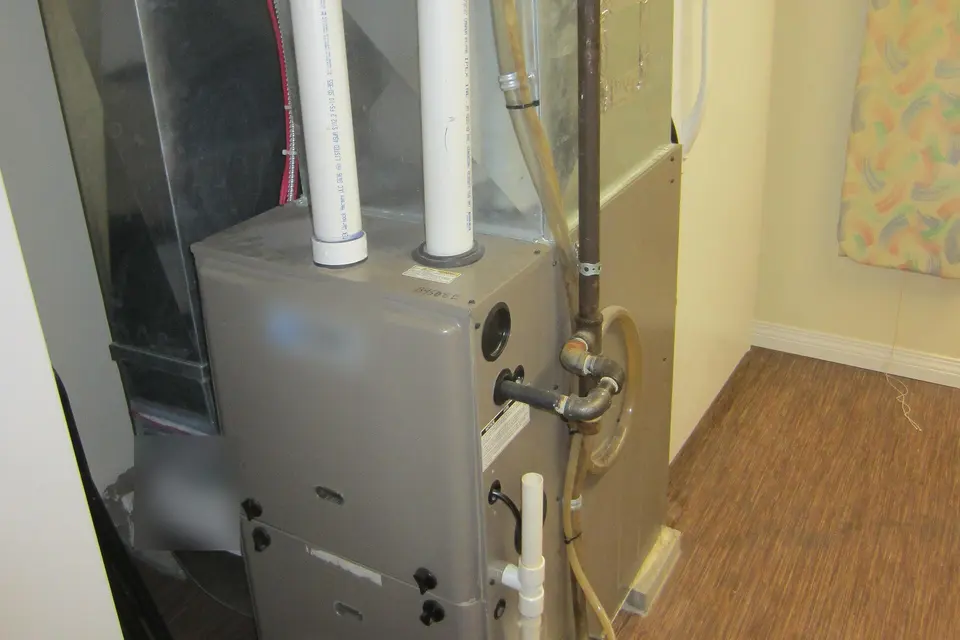
What should you check first when the heat stops?
Start at the thermostat. Make sure it is set to heat and that the setting is a few degrees above the room temperature. If the screen is blank and it runs on batteries, try fresh ones. These are small things, and they cost nothing to rule out. Do not take the thermostat off the wall or touch its wires. If the settings are right and nothing happens after a few minutes, walk to the furnace.
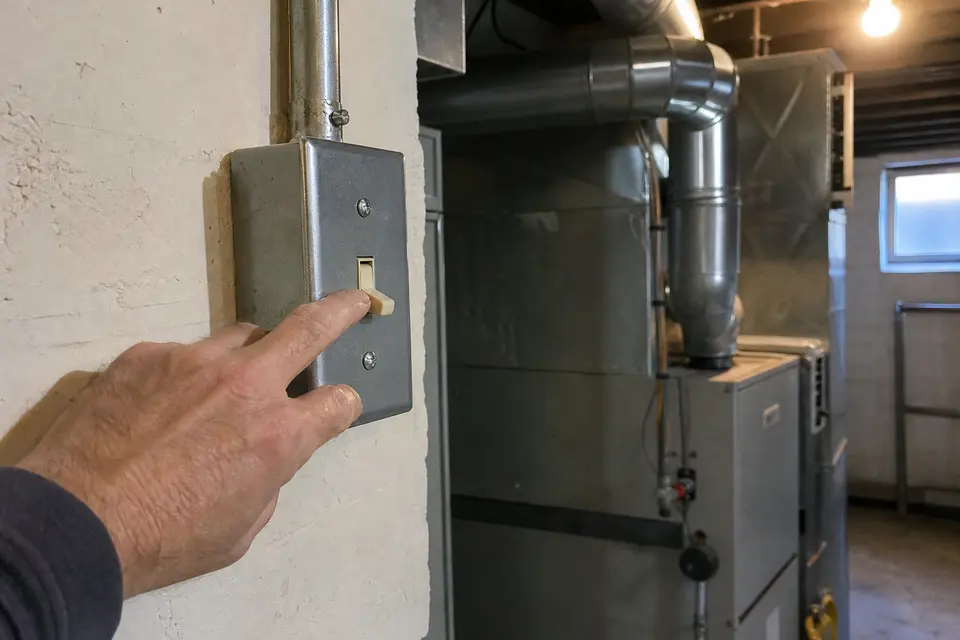
Is the furnace getting power?
Check the furnace switch, then the breaker. The switch often looks like an ordinary light switch on a wall or post near the unit, so it can get flipped by accident. Make sure it is on. Then go to your electrical panel and find the furnace breaker. If it has tripped, push it fully off and back on, one time. If it trips again, leave it off and call. Do not open the furnace's own panels.
Could a clogged filter be part of it?
It could, and it takes a minute to look. ENERGY STAR says to inspect filters once a month and warns that a dirty filter raises costs and can cause early failure. Its older guide says to change a dirty one at least every three months. The filter's package has the final word. Turn the furnace switch off first, note the size printed on the old one, slide in the new one with its airflow arrow matching, and switch the furnace back on. If yours sits behind a sealed panel, leave it for the contractor.
Are the outside vents buried?
After a storm or a windy night, they might be. High-efficiency furnaces breathe through plastic pipes, often on a side wall. NIPSCO says to clear snow and ice from intake and exhaust vents to avoid carbon monoxide buildup and operational issues. Clear them gently by hand, as the January vent essay describes. If a CO alarm is sounding or anyone feels ill, leave first and call 911 from outside. The vents can wait.
| What | The figure | Where it comes from |
|---|---|---|
| Normal January high and low | 32.6°F and 18.4°F | NOAA normals, 1991-2020 |
| Normal February high and low | 36.5°F and 21.0°F | NOAA normals, 1991-2020 |
| January heating degree days | 1,224.3, the most of any month | NOAA normals, 1991-2020 |
| Fort Wayne record low | -24°F, January 12, 1918 (the query returns one date; ties may exist) | NOAA Regional Climate Centers |
| Clearance around a portable heater | at least 3 feet | CPSC, January 2026 |
When do you stop checking and call?
Stop after those five checks. Everything else is a contractor's work: gas valves, burners, flues, heat exchangers, wiring and sealed panels. Tell the contractor what you checked and what you found, which saves time on the call. If you smell gas, leave first and use no switches, phones or flames inside, then call 911 and NIPSCO from outside. NIPSCO's December 2025 safety release gives its emergency line as 1-800-634-3524. If a CO alarm sounds, everyone goes out first and calls 911 from outside. Don't look for the source, and don't go back until responders say so.
How do you stay warm until help comes?
Pick one room and hold the heat there. The National Weather Service says to close off rooms you don't need, stuff towels in door cracks, close blinds or curtains, eat and drink, and wear loose layers. If you use a plug-in heater, follow the CPSC rules. For water lines, see the frozen pipes essay. This site found no 2026-27 warming center list, so dial 2-1-1 and watch city announcements. The county posts travel advisories, watches and warnings; check its own page before driving.
What to do
Right now
- Check thermostat, furnace switch, breaker, filter and outside vents, once each
- Gather everyone in one room with the door closed
- Leave first, then call 911 from outside, if a CO alarm sounds or you smell gas
Before next winter
- Learn where the furnace switch and breaker are
- Inspect the filter monthly and keep spares of the right size
- Have the heating system inspected and serviced yearly
Call a pro when
- All five checks are done and the heat is still off
- The breaker trips a second time
- You hear or see anything unusual at the furnace
What neighbors ask
How long can I wait before calling for service?
There's no safe number to give, since it depends on the house, the forecast and who lives there. With a normal January low of 18.4°F, the honest answer is to call as soon as the five checks are done. Then protect people first and pipes second.
Should I keep pressing the furnace's reset button?
Leave reset buttons and anything inside the cabinet to the contractor. This site's homeowner list stops at the thermostat, the switch, the breaker, the filter and clearing snow from the vents.
Can I warm the house with the oven?
This site has no official source approving that, so don't. The National Weather Service steps above and CPSC's rules for plug-in heaters are the options to use.
What should I tell the contractor on the phone?
Say the furnace type if you know it, when the heat stopped, and which checks you made. Say whether the breaker tripped, whether the vents were buried and whether any alarm has sounded.
What if someone gets very cold while the heat is out?
The CDC warns about hypothermia and says not to warm a victim with a fireplace, heat lamp, radiator, stove, heating pad or electric blanket. If someone seems very cold or confused, call 911.
Where this came from
This essay rests on ENERGY STAR, the National Weather Service, NIPSCO's December 2025 release, CPSC, CDC and NOAA normals, all checked November 3, 2026. Allen County's and NIPSCO's own pages could not be opened when this was checked, so check the county's page and nipsco.com yourself.