July in Fort Wayne: normal high 84°F, low 64°F
When the AC cannot keep up in July
When the AC cannot keep up, check the thermostat, filter, breaker and outdoor unit. Then compare the day to the summer design range, and leave refrigerant to a pro.
A photo essay from the people at Warm in January, Cool in July. Updated .
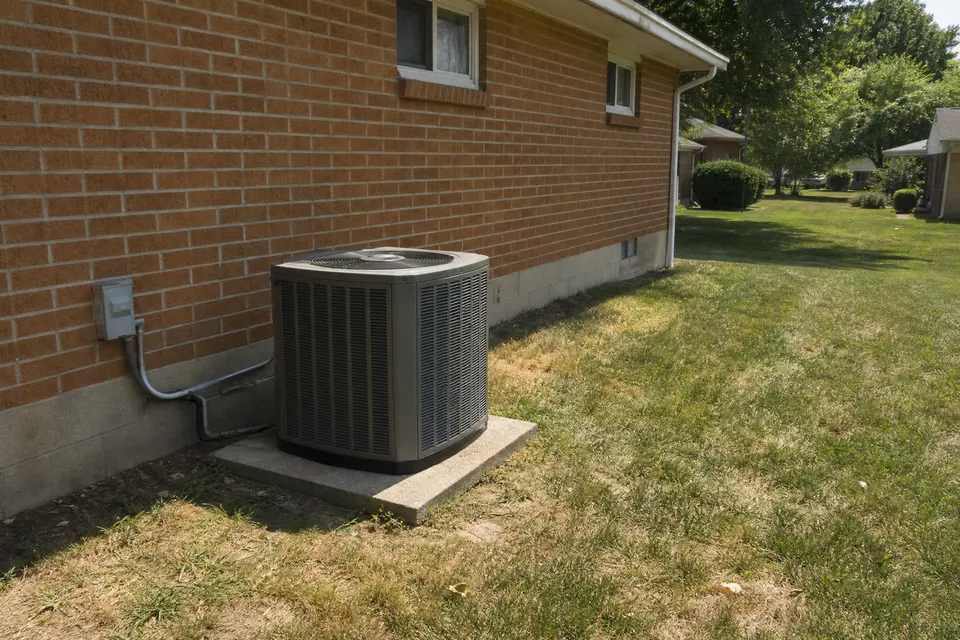
What should you check first when the AC falls behind?
Check the four things a homeowner can reach: thermostat, filter, breaker and outdoor unit. Make sure the thermostat is set to cool and the setting is where you think it is. Set the thermostat to off and switch off at the breaker before you touch the filter or the outdoor unit, and turn it back on when you're done. Look at the filter; ENERGY STAR says a dirty one raises costs and can cause early failure. Clear grass, leaves and papers off the outdoor unit, per Lennox's manual. If the breaker trips once it's back on, leave it and call. Stop there. Panels, wiring and refrigerant belong to a pro.
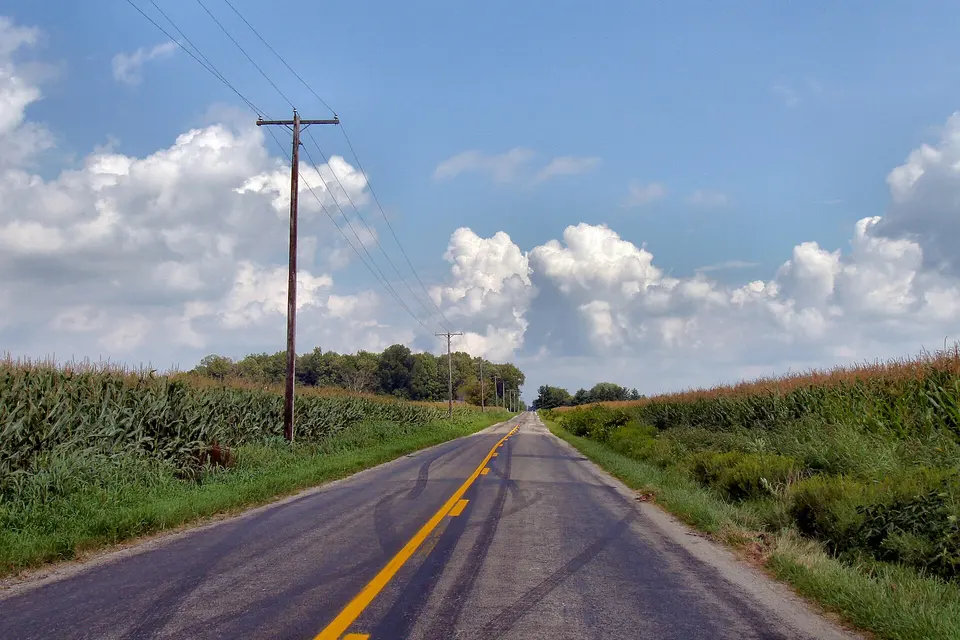
Is the system failing, or is it just a very hot day?
Compare the day with the design range. Design temperatures in Allen County run upper 80s to about 91°F in summer, by one and another RESNET table, and your contractor's Manual J sets the real figure. A day well above that asks more than the system was sized for. If the house falls behind on an ordinary 84°F afternoon with a clean filter and a clear unit, that's worth a service call. Write down the outdoor temperature and the indoor reading; they help whoever comes.
| What | The figure | Where it comes from |
|---|---|---|
| Normal July high and low | 84.1°F and 63.5°F | NOAA NCEI normals |
| Record high, threaded Fort Wayne record from 1897 | 106°F, date returned June 28, 2012 | NOAA ACIS |
| July dew point, peak 90th percentile, this site's reading of hourly normals | 73.9°F | NOAA NCEI hourly normals |
| Duct air lost to leaks and holes | About 20 to 30 percent | ENERGY STAR |
| What airflow problems can cost | Up to 15% of efficiency | ENERGY STAR |
| Fans help only when indoors is | Under 90°F | CDC |
What can a pro check that you cannot?
A pro can open the system and measure what you can't. ENERGY STAR's list for cooling includes coils, refrigerant level and the blower. It says airflow problems can cut efficiency up to 15%. Ducts count too: ENERGY STAR says about 20 to 30 percent of the air moving through them is lost to leaks, holes and poor connections. Ask for what was measured, and in writing if a bigger unit is suggested. DOE says oversized cooling "can cost too much, provide inadequate comfort, and lead to mold and poor indoor air quality."
How do you stay safe when the house is too hot?
Look after people before the machine. NWS says to slow down, drink plenty of water, and use air conditioners or air-conditioned places. CDC says, "Use fans, but only if indoor temperatures are less than 90°F." To find a cooling place, dial 2-1-1 or contact local health or emergency management. Check on older, sick or frail neighbors. If someone seems seriously ill, call 911.
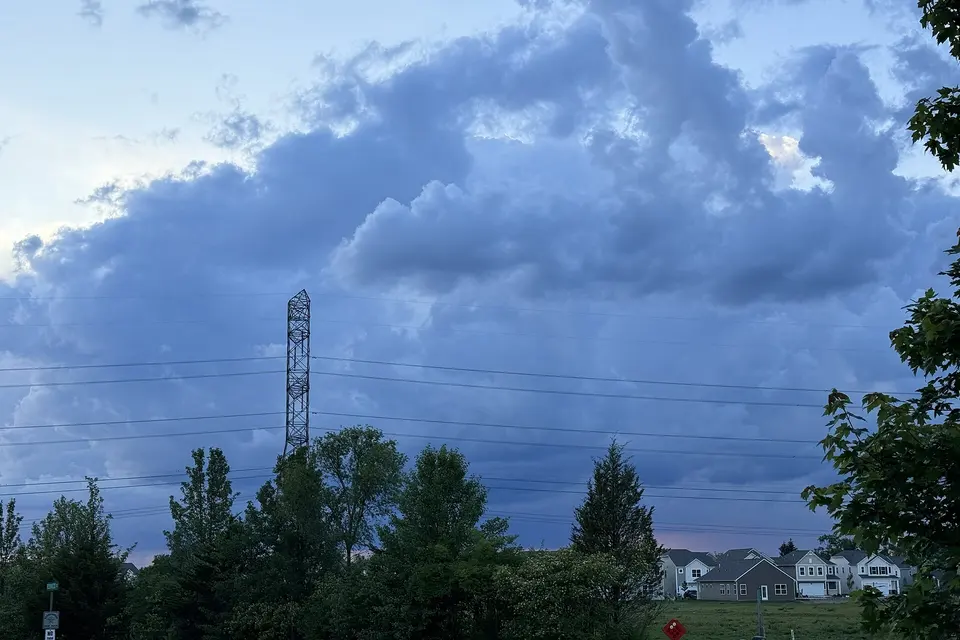
What if the power goes out in the heat?
Then the house warms and your job is getting cool somewhere else. Greater Fort Wayne Inc. lists Indiana Michigan Power, Northeastern REMC, Heartland REMC and Paulding Putnam Electric Cooperative for the area. This site couldn't confirm outage numbers from their pages, so use the one on your bill and keep it handy. Dial 2-1-1 for cooling places, and don't wait for the house to get bad before you go.
What to do
Right now
- Check thermostat and breaker, then with the power off at the breaker check the filter and clear the outdoor unit.
- If the house is over 90°F, stop relying on fans and go somewhere cool. Dial 2-1-1.
- Check on older, sick or frail neighbors.
Before next summer
- Book a pre-season check-up and ask about airflow and ducts.
- Find your electric utility's outage number on your bill.
- Ask for Manual J if anyone suggests a bigger unit.
Call a pro when
- The system falls behind on an ordinary day with a clean filter and clear unit.
- The breaker trips again.
- Anything involves refrigerant, wiring or a panel on the unit.
What neighbors ask
How hot does an AC have to be sized for in Fort Wayne?
There's no single official number. RESNET tables put Allen County in the upper 80s to about 91°F, and your contractor's Manual J sets the real figure.
Should I keep the thermostat lower to help it catch up?
Pick a setting you can live with. DOE's older article says 78°F rather than 72°F can save 6 to 18 percent on the cooling bill, and a ceiling fan allows about 4°F more.
Are fans enough if the AC is out?
Only while it's under 90°F indoors, per CDC. NWS says not to direct a portable fan at yourself when the room is hotter than 90°F. Past that, go somewhere with air conditioning.
Where can I go to cool off in Fort Wayne?
Dial 2-1-1, or contact local health or emergency management, and ask what's open that day. No current list turned up to print here.
Does this mean I need a bigger unit?
Not on its own. Ask for a Manual J, a duct inspection and an airflow measurement first, which is what ENERGY STAR tells contractors to do.
Where this came from
This essay rests on NOAA normals, RESNET tables, ENERGY STAR, NWS and CDC, checked November 3, 2026. I&M's and Northeastern REMC's pages couldn't be read when last checked, so confirm outage numbers with your own utility. The record's query returns one date, so ties may exist.